

One of the byproducts of creating compressed air is heat, and lots of it. This heat is emitted by the compressors and air dryers, and must be removed from the compressor room or unpleasant consequences will result.
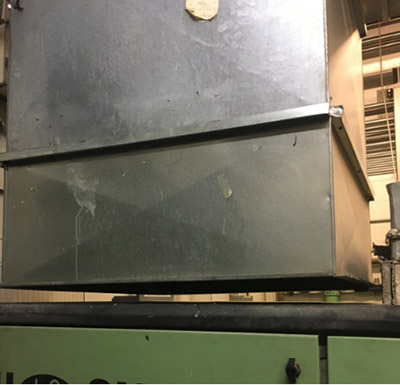
A very common problem with air cooled compressors is making the assumption that the hot air exhausted from the cooling discharge will somehow travel away from the compressor cooling intake. In many cases, no ducting is provided to route the hot air away, or in some cases the ducting is incomplete. This is usually a mistake.
It is amazing to often find that the hot discharged air is very difficult to mix with the incoming cooler ventilation air. It does not want to do this naturally. The air discharged from the compressor logically should rise to the top of the room, with cooler air coming into the bottom intake discharge grates, but quite often this doesn’t happen. The consequence is that the compressor ingests cooling air that is much hotter than desired through an unintended short circuit bypass from the discharge air.
Taking in hot air for cooling causes the compressor to overheat and discharge very hot compressed air. This very hot compressed air contains more moisture than normal and causes overloading of the air dryer, especially if the dryer must cool itself with the same hot air. An overloaded dryer allows wet compressed air into the plant that condenses inside the distribution pipes causing contamination. To try to eliminate this contamination, plant personnel will often open drains to attempt to clear the lines, loading the compressor more, making it and the room hotter, and compounding the problem.
Wherever possible, directly send hot compressor discharge air through a well-sealed and insulated duct that leads out of the room. Remove radiant heat by providing additional cross ventilation. A well-designed ventilation system will save you overheating problems and perhaps direct the hot air to areas of the plant that need heat, saving you money in the winter.

Leave a Reply